Custom curtains for every room.
Each room asks for something different from a curtain. Here is how we think about the main ones, and what we usually recommend.
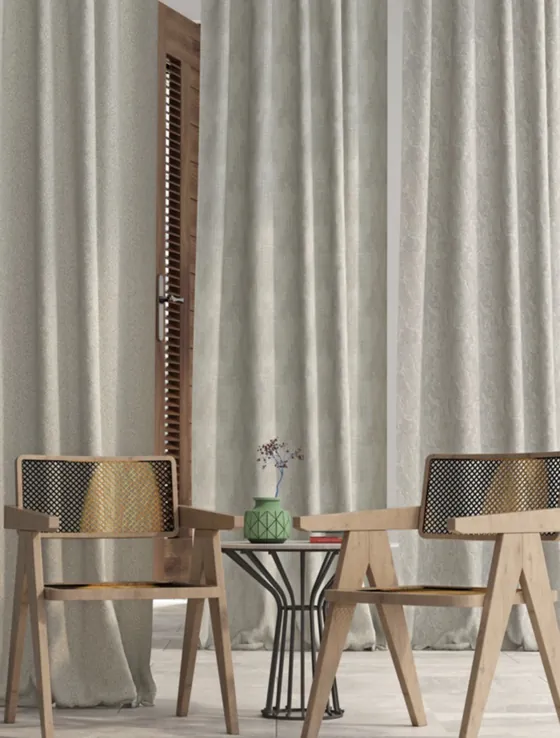
Living room curtains
The living room is where curtains do the most design work. We usually layer a textured linen, linen blend or jacquard over a sheer. Daytime, the sheer softens the light. Evening, the main curtain closes the room.
Because living room windows are often wide, we pay attention to fullness and pleat style so the curtain stays elegant when open and closed.
- Recommended
- Linen, jacquard, plus a sheer
- Hardware
- Ceiling track for wide spans
- Pleat
- Pinch pleat or wave fold
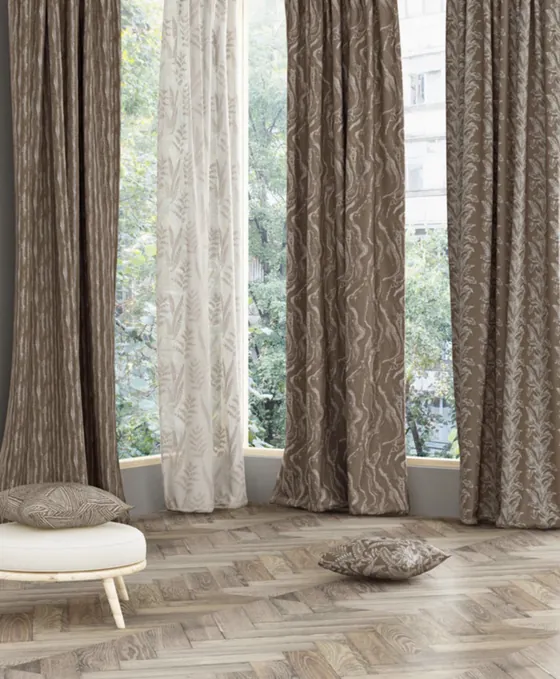
Bedroom curtains
Bedrooms need light control first. A lined or blackout curtain cuts early sun and street light, and thicker fabrics also soften noise and help keep an air-conditioned room cool. A sheer behind it gives daytime privacy.
Choose darker or mid tones if the window faces strong afternoon sun, since pale fabrics let more light glow through the weave.
- Recommended
- Lined or blackout, plus a sheer
- Hardware
- Double track: curtain and sheer
- Pleat
- Pinch pleat or wave fold

Balcony and sliding doors
Balcony doors are used all day, so the curtain must glide cleanly and stack back clear of the door. A ceiling track longer than the opening is the usual answer. Choose washable sheers here, because balcony curtains see the most dust.
- Recommended
- Sheer, light linen blend
- Hardware
- Ceiling track beyond the door
- Pleat
- Wave fold or pinch pleat
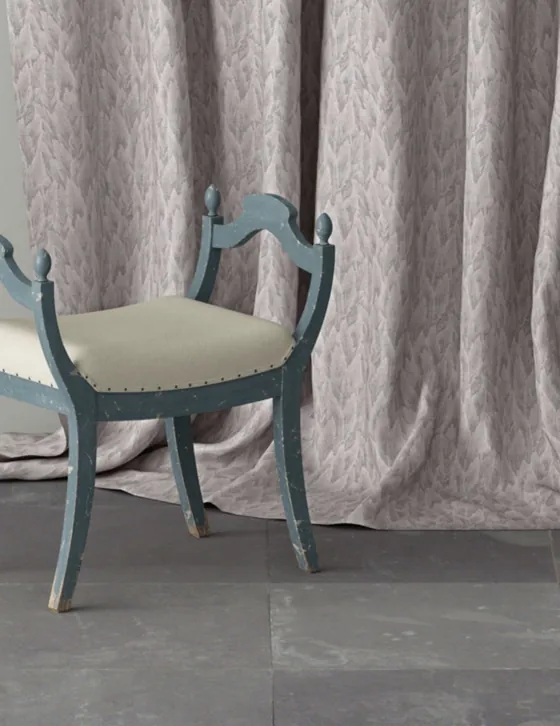
Dining and study
These rooms call for a calmer, more tailored look. A small-scale jacquard or a plain linen blend in a quiet tone keeps attention on the room. In a study, choose fabric that cuts glare on screens without making the room dark.
- Recommended
- Jacquard, linen blend
- Hardware
- Track or slim rod
- Pleat
- Pinch pleat
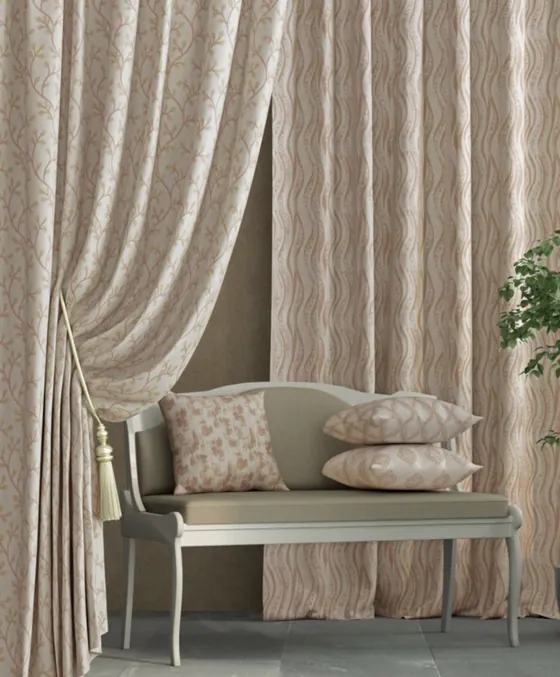
Kids and guest rooms
Pick fabrics that wash and wear well, with lining where the room needs sleep-friendly darkness. Softer prints and lighter tones suit these rooms, and tiebacks keep the curtain tidy and clear of little hands.
- Recommended
- Easy-care blends, light lining
- Hardware
- Rod with rings, or track
- Pleat
- Pinch pleat or eyelet
Curtain basics.
What curtains are best for a bedroom?
Pair a lined or blackout curtain with a sheer. The blackout controls early light and heat, the sheer gives you privacy and soft light when the main curtain is open. Choose a fabric with weight so it falls straight and blocks light at the edges.
What is the best curtain for a living room?
Living rooms suit layered sets: a textured linen or jacquard over a sheer. This lets you filter daylight for most of the day and close the room for evenings.
How much fabric do curtains need?
As a guide, curtains need about two to two and a half times the track or rod width for a full, even fall. Sheers and wave-fold styles use the upper end of that range.
How far should curtains hang from the floor?
For floor-length curtains, we normally leave a small clearance of about one to one and a half centimetres so the hem clears the floor without showing a gap.
Can curtains cover sliding balcony doors?
Yes. The usual solution is a ceiling track longer than the door so the curtains stack back clear of the opening and slide without catching the handle.
Plan your curtains with someone who measures first.
Message us your area and a convenient day. We confirm a home visit on WhatsApp or by phone.